
"New Oriente"
500 article(s) found

Guatemalan wine-scented sun coffee hand data how to drink Guatemalan wine-scented sun
For professional baristas, please pay attention to the Guatemalan wine made by hand in the coffee workshop (Wechat official account cafe_style). 15g powder, medium grinding (small Fuji ghost tooth cutter 4 grinding), v60 filter cup, 88-89 degrees water temperature, the first water injection 30g water, 27 seconds of steaming, injection to 105g water cut off, wait for the powder bed water to half and then water injection, slow water injection until 225g water

Antigua producing area of Catarina Manor Santa Catarina, Guatemala, mainly Bourbon, Picadu, Eckadura.
The varieties of Guatemalan coffee are mainly bourbon, Tibika, Kaduai and Kaddura, and there will also be a small amount of yellow bourbon, rose summer and Pacamara. Most people who like dangerous horse coffee are attracted by its smoky taste [Cadilas Manor] is not smoky, but has a strong sweet aroma of roasted almonds, cherry acidity is delicate and changeable, like wine.

The flavor and taste of Antigua Coffee Manor in Guatemala introduces Latisa Manor.
Antigua (Antigua) is also a famous producer of coffee. Antigua coffee is produced in Hacienda Carmona, where the best quality coffee is EL Pulcal, which is not only of good quality, but also has a stronger flavor, richer taste and stronger tobacco flavor than other Guatemalan coffees. Every 30 years or so, the area near Antigua suffers
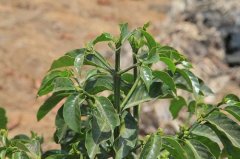
Eight boutique coffee producing areas in Guatemala describe in detail the impact of rainfall on coffee trees.
Professional baristas Please follow the Coffee Workshop (official Wechat account cafe_style) Coffee has helped the Guatemalan economy for more than a century. Today, an estimated 125000 coffee producers drive Guatemala's coffee industry, and coffee remains one of Guatemala's main exports, accounting for 40 per cent of all agricultural export earnings. Guatemala is the most likely.

Treatment methods of Guatemalan coffee beans
Coffee production in Guatemala has declined relatively, at 700kg per hectare, while that in El Salvador is 900kg per hectare and that in Costa Rica is even more astonishing, at 1700 kg per hectare. The export of dangerous Dimara coffee is controlled by private companies, but the National Coffee Council (Asociacion Nacional de Cafe) controls the coffee industry.

With rich natural strips, the growing environment of Guatemalan coffee beans
Guatemala is bordered by Mexico to the north, Honduras and El Salvador to the south, the Caribbean to the east and the Pacific Ocean to the west, surrounded by mountains and seas, with tropical rain forests, volcanic geology, plateau valleys and ever-changing microclimate. Agriculture is the main source of economy, and the main agricultural product is coffee. Guatemalan coffee once enjoyed a reputation as the best quality coffee in the world.
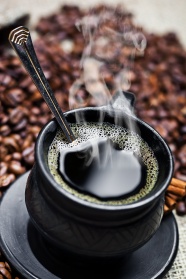
Introduction of Guatemalan Coffee beans
Coffee production in Guatemala has declined relatively, at 700kg per hectare, while that in El Salvador is 900kg per hectare and that in Costa Rica is even more astonishing, at 1700 kg per hectare. Guatemalan coffee exports are controlled by private companies, but the National Coffee Council (AsociacionNacionaldeCafe) controls other ministries of the coffee industry.

Introduction of Guatemalan coffee beans located in the Central American Isthmus
It is located in the Central American Isthmus, bordering Mexico in the north and Honduras in the south. Due to the high mountains and volcanoes in the country, coupled with the careful care of Guatemalan farmers, the quality of Guanguo coffee appears to be quite excellent. The country's earliest record of growing coffee dates back to 1750, about 250 years ago, but at that time the coffee tree was only an ornamental flower in the garden; until 1800, it was contaminated by European chemistry.

The Origin of Guatemalan Coffee beans
Coffee production in Guatemala has declined relatively, at 700kg per hectare, while that in El Salvador is 900kg per hectare and that in Costa Rica is even more astonishing, at 1700 kg per hectare. Guatemalan coffee exports are controlled by private companies, but the National Coffee Council (AsociacionNacionaldeCafe) controls other ministries of the coffee industry.

What are the most famous coffee plantations?
Costa Rica's crop is even more impressive, reaching 1700 kilograms per hectare. Guatemala's coffee export trade is controlled by private companies, but the National Coffee Council (Asociación Nacional de Cafe) controls the rest of the coffee industry. Some of Guatemala's finest coffee is exported to Japan, where it sells for $3 to $4 a cup. most of the

Characteristics of Coffee Origin in Guatemala
Coffee production in Guatemala has declined relatively, at 700kg per hectare, while that in El Salvador is 900kg per hectare and that in Costa Rica is even more astonishing, at 1700 kg per hectare. The export of dangerous Dimara coffee is controlled by private companies, but the National Coffee Council (Asociacion Nacional de Cafe) controls the coffee industry.
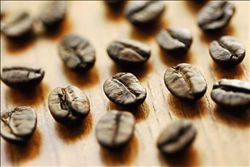
Introduction of boutique Guatemalan coffee beans
Coffee production in Guatemala has declined relatively, at 700kg per hectare, while that in El Salvador is 900kg per hectare and that in Costa Rica is even more astonishing, at 1700 kg per hectare. The export of dangerous Dimara coffee is controlled by private companies, but the National Coffee Council (Asociacion Nacional de Cafe) controls the coffee industry.
The Origin of Guatemalan Coffee beans
Coffee production in Guatemala has declined relatively, at 700kg per hectare, while that in El Salvador is 900kg per hectare and that in Costa Rica is even more astonishing, at 1700 kg per hectare. The export of dangerous Dimara coffee is controlled by private companies, but the National Coffee Council (Asociacion Nacional de Cafe) controls the coffee industry.

Flavor Origin of Guatemalan Coffee beans
Coffee production in Guatemala has declined relatively, at 700kg per hectare, while that in El Salvador is 900kg per hectare and that in Costa Rica is even more astonishing, at 1700 kg per hectare. The export of dangerous Dimara coffee is controlled by private companies, but the National Coffee Council (Asociacion Nacional de Cafe) controls the coffee industry.

Guatemalan Coffee about the producing areas and characteristics of Guatemalan coffee beans
Professional coffee knowledge exchange more coffee bean information please follow the coffee workshop (Wechat official account cafe_style) Guatemala has seven major coffee producing areas Guatemala produces coffee beans are all Arabica, are located in the subtropical climate of the highland topography, rich and stable rainfall, fertile volcanic ash soil, so that all parts of the country have a very suitable natural environment for coffee cultivation

Treatment methods of Guatemalan coffee beans
Coffee production in Guatemala has declined relatively, at 700kg per hectare, while that in El Salvador is 900kg per hectare and that in Costa Rica is even more astonishing, at 1700 kg per hectare. The export of dangerous Dimara coffee is controlled by private companies, but the National Coffee Council (Asociacion Nacional de Cafe) controls the coffee industry.

Guatemala coffee beans how to practice Guatemala coffee beans characteristics
Coffee production in Guatemala has declined relatively to 700 kg/ha, compared with 900 kg/ha in El Salvador and an astonishing 1700 kg/ha in Costa Rica. Guatemala's coffee export trade is controlled by private companies, but the National Coffee Council (Asociación Nacional de Cafe) controls the coffee industry.

What are the characteristics of Guatemalan coffee?
Guatemalan coffee is produced in the Republic of Guatemala (The Republic of Guatemala) in northwestern Central America. The country's mountain forest area accounts for 2/3 of the country's area, rich in high-quality coffee beans, its strong sour taste, mellow taste and slightly wild, can be used as a single drink or for the blending of comprehensive coffee Guatemalan coffee taste: bitter and fragrant, good taste. Highland

Coffee beans in Guatemala Coffee beans of Fine Coffee
Currently, they are also benefiting from a U.S.-funded project that locals call TheProject, which plans to invest $2.5 million to encourage the opening of small, high-quality coffee plantations. The main areas rich in high-quality coffee in Guatemala are Lake Attilan (LakeAtitlan) and Huehuentenango. The purpose of the project is to help

History and Culture of Coffee in Guatemala
Coffee production in Guatemala has declined relatively, at 700kg per hectare, while that in El Salvador is 900kg per hectare and that in Costa Rica is even more astonishing, at 1700 kg per hectare. The export of dangerous Dimara coffee is controlled by private companies, but the National Coffee Council (Asociacion Nacional de Cafe) controls the rest of the coffee industry.